HPV (Human Papillomavirus)
Understanding HPV, its risks, and prevention through vaccination
What is HPV?
Human Papillomavirus (HPV) is the most common sexually transmitted infection. There are many different types of HPV. Some types can cause health problems including genital warts and cancers.
Symptoms and Health Problems
Most people with HPV don't develop any symptoms, and the infection often goes away on its own. However, when HPV does not go away, it can cause health problems like:
- Genital warts (small bumps or groups of bumps in the genital area)
- Cervical cancer (and other cancers of genitals, head, neck, and throat)
- Recurrent respiratory papillomatosis (RRP), a rare condition where warts grow in the throat
Prevention and Vaccination
HPV Vaccine
The HPV vaccine is safe and effective. It can protect against diseases (including cancers) caused by HPV when given in the recommended age groups.
Who should get vaccinated?
- Preteens at age 11 or 12 years (or can start at age 9 years)
- Everyone through age 26 years, if not vaccinated already
- Some adults aged 27 through 45 years may decide to get the HPV vaccine after speaking with their doctor
Even if you've been vaccinated, regular cervical cancer screening is still important for women aged 21 to 65.
Images & Awareness
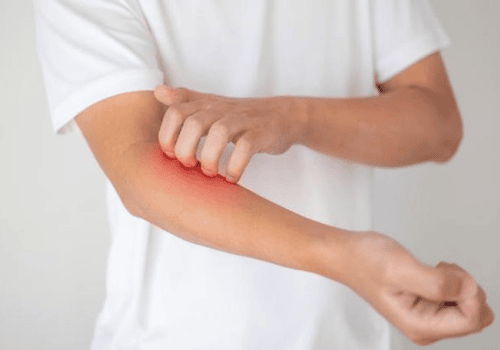
Recognize symptoms and seek care early
Person with skin irritation on arm
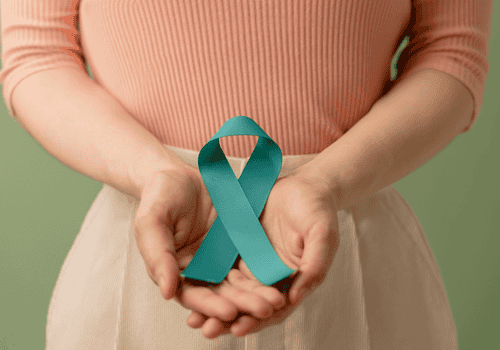
Awareness supports prevention and screening
Teal awareness ribbon held in hands
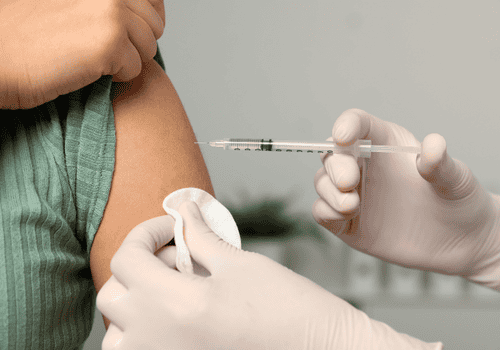
Vaccination helps protect against HPV-related diseases
Person receiving a vaccine injection
Safe Sex Practices
In addition to vaccination, you can reduce your risk of getting HPV by:
- Using latex condoms correctly every time you have sex
- Being in a mutually monogamous relationship
- Getting regular health check-ups and screenings
- Avoiding sexual activity with someone who has visible warts or other symptoms